Israel Under Attack 2025: What Is Really Happening Right Now
Israel under attack 2025 has become a major topic as reports of missile barrages, drone strikes, and rocket fire continue to hit the country. The situation remains tense and fast-moving. In early 2025, Iran-backed groups and other actors launched repeated attacks. These actions followed Israeli military operations targeting Iranian nuclear sites, missile bases, and leadership.
Many people want clear answers. Who is behind the attacks? How is Israel responding? What does this mean for the region and the world? This article breaks down the key facts based on verified reports up to March 9, 2026.
The conflict has already caused heavy casualties, displaced thousands, and driven oil prices higher. Yet both sides show no signs of backing down soon.
Current State of Affairs in Israel (March 2026)
Israel faces ongoing missile and drone attacks almost daily. Iranian state media claims multiple waves under “Operation Honest Promise 4.” The IRGC says it has fired hundreds of missiles and drones since late February.
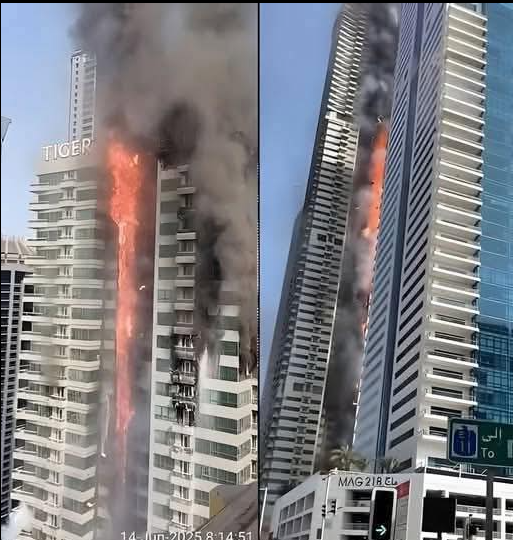
Israeli air defenses — Iron Dome, David’s Sling, and Arrow — intercept most threats. Still, some get through. Fragments and direct hits have damaged homes, schools, and infrastructure in cities like Tel Aviv, Haifa, and Beersheba.
From my tracking of daily updates, sirens sound frequently across the country. Millions of Israelis spend nights in shelters. Civilian life continues, but under constant alert.
The Israeli Defense Forces (IDF) report intercepting over 90% of incoming projectiles. However, the volume of attacks strains resources and creates psychological pressure.
Who Is Behind the Attacks on Israel in 2025–2026?
Iran and its proxies lead most reported attacks.
- IRGC (Islamic Revolutionary Guard Corps) — Iran’s main military force — claims responsibility for missile barrages.
- Hezbollah in Lebanon fires rockets and drones from the north.
- Houthi rebels in Yemen launch long-range missiles toward southern Israel.
- Other militias in Iraq and Syria occasionally join in.
Iran says these strikes respond to Israeli and U.S. attacks on its nuclear program, energy sites, and senior leaders. The conflict escalated sharply after U.S.-Israel operations began in late February 2026.
Experts note that Iran uses proxies to avoid direct full-scale war. This approach allows deniability while keeping pressure on Israel.
How Israel Is Responding to the Attacks
Israel maintains a strong, active defense.
- Air defenses work around the clock to intercept threats.
- IDF airstrikes hit launch sites in Lebanon, Syria, and Iran itself.
- Targeted operations focus on missile stockpiles, command centers, and IRGC leaders.
Prime Minister Benjamin Netanyahu has vowed to keep striking until threats end. The government says it will not accept a new status quo where missiles rain down regularly.
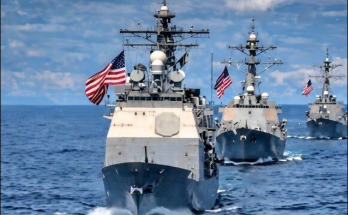
Israel also coordinates closely with the United States. Joint intelligence sharing helps detect launches early. U.S. Navy ships in the region provide additional missile defense support.
From reports I follow closely, Israel aims to degrade Iran’s ability to attack while avoiding a wider ground war.
Major Consequences of the Attacks on Israel
The conflict creates serious ripple effects.
- Civilian impact — Dozens killed, hundreds injured, thousands displaced.
- Economic strain — Flights canceled, tourism halted, businesses disrupted.
- Oil market shock — Prices spiked above $100 per barrel at times due to Strait of Hormuz fears.
- Regional risk — Neighboring countries face spillover, refugee flows, and economic pressure.
- Global concern — NATO allies, Russia, and China watch closely. Diplomatic efforts continue behind the scenes.
The violence also fuels domestic debates in many countries about support for Israel and Iran policy.
Is Peace Possible in the Region?
Peace remains difficult but not impossible. Several factors block progress right now.
- Deep mistrust between Israel and Iran.
- Proxy groups that do not always follow central orders.
- Competing interests of major powers like the U.S., Russia, and China.
Still, history shows breakthroughs can happen. Past ceasefires in Gaza and Lebanon prove temporary pauses are possible. International mediators — including the United States, Egypt, and Qatar — keep channels open.
Many experts believe any lasting peace needs:
- Clear security guarantees for Israel.
- Limits on Iran’s nuclear and missile programs.
- Economic incentives for de-escalation.
Dialogue, even indirect, offers the best path forward.
How Can the Global Community Help?
The world plays a key role in reducing tensions.
- Diplomatic pressure — Encourage all sides to return to talks.
- Humanitarian aid — Support civilians caught in the crossfire.
- Economic tools — Use sanctions and incentives to push restraint.
- Clear communication — Avoid actions or words that escalate conflict.
Countries can back UN and regional mediation efforts. They can also invest in early-warning systems and de-escalation hotlines.
From my observation of past crises, quiet diplomacy often works better than public shouting matches.
Final Thoughts on Israel Under Attack 2025–2026
The situation in Israel remains serious and volatile. Missile attacks continue. Defenses hold strong, but the cost to civilians grows. The conflict ties directly to broader U.S.-Iran-Israel tensions.
Stay informed through trusted sources like Reuters, BBC, or official IDF and U.S. Central Command updates. Avoid unverified social media clips—they often mislead.
What concerns you most about this conflict? How do you see it affecting the world from Seattle? Share your thoughts below. Stay safe and keep following reliable news.