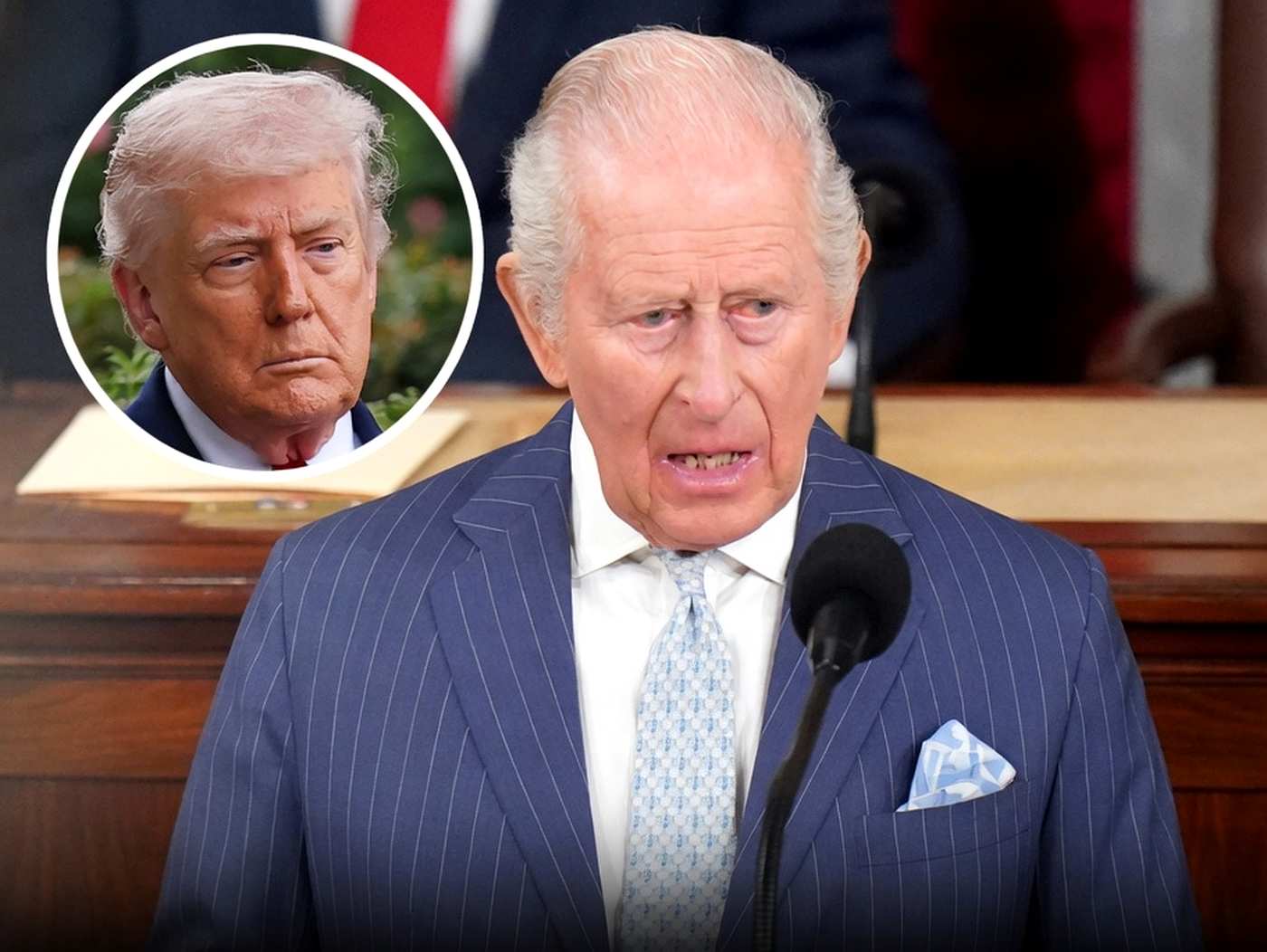
The standing ovations that followed parts of the speech added another layer to the moment. In Congress, such reactions often reflect not just agreement with specific lines, but broader approval of tone and message. In this case, the response appeared tied to the speech’s emphasis on shared values, historical continuity, and collective responsibility.
Online reactions, however, were far less uniform. Supporters praised the address as measured, dignified, and clear in its defense of alliances like NATO. Critics or skeptics questioned whether the speech was being over-interpreted, arguing that the monarch’s role is inherently neutral and not designed for political confrontation.
That tension between interpretation and intention is central to understanding the moment. The British monarchy operates within strict conventions, avoiding direct political statements while still engaging in global conversations through symbolism and carefully chosen language. Political leaders, by contrast, often frame events more explicitly, which can create mismatched narratives about what was actually said or implied.
In practical terms, the speech did what such addresses are meant to do: reinforce the idea that, despite disagreements, the U.S. and U.K. remain closely connected. Whether it was perceived as a “dig” or simply a reminder depends largely on the listener’s perspective.
What remains clear is that the address resonated beyond the chamber itself
What remains clear is that the address resonated beyond the chamber itself. It became part of a wider discussion about leadership styles, alliance expectations, and the role of diplomacy in a period marked by uncertainty.