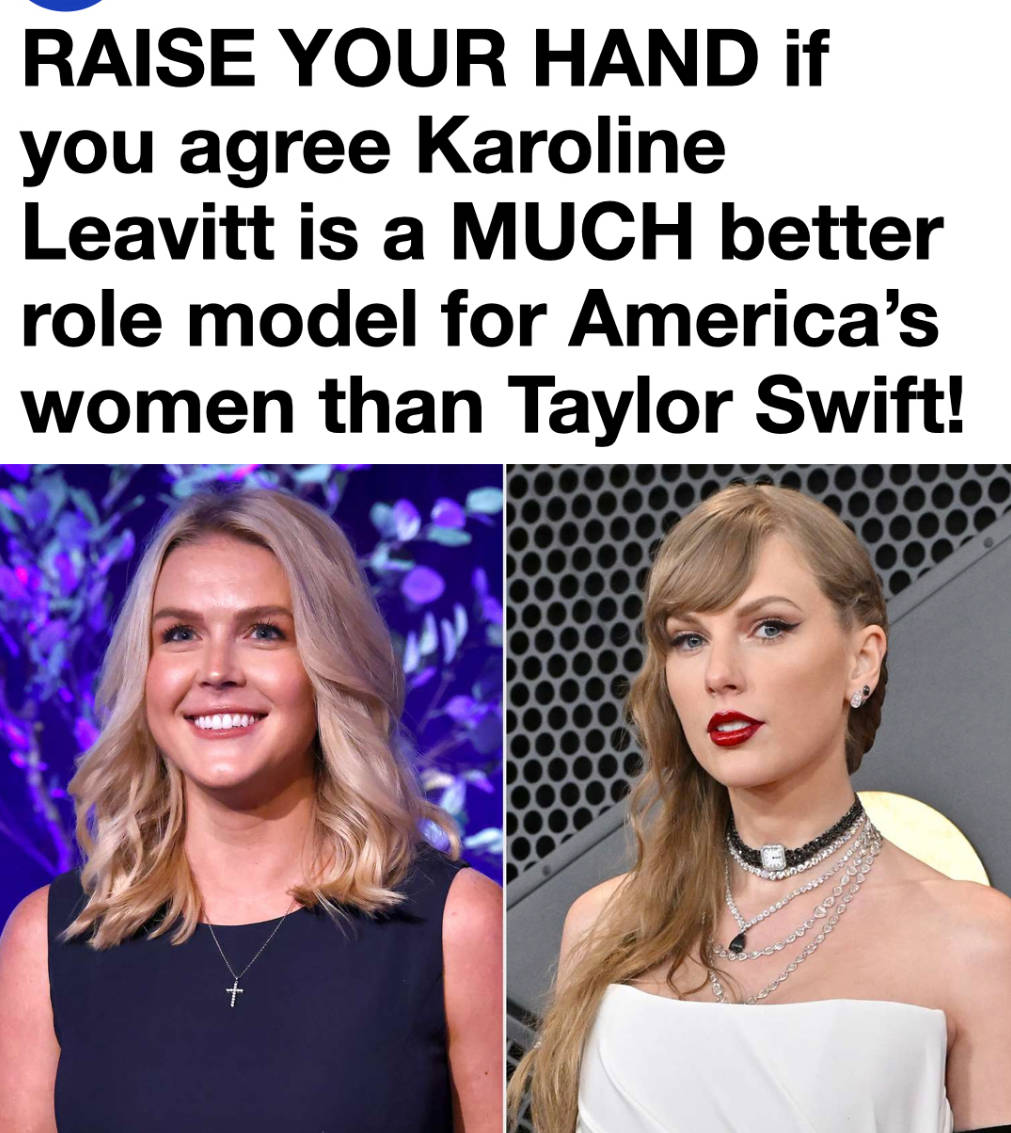
Supporters of political figure Karoline Leavitt have increasingly described her as a prominent young conservative voice, praising her public image, communication style, and commitment to traditional political values.
Leavitt, who gained national attention through her political work and media appearances, has become well known among conservative audiences for her outspoken positions on issues related to government policy, family values, and national identity. Backers argue that her rise in public life reflects growing support for a younger generation of conservative leaders who emphasize patriotism, accountability, and traditional principles.
Advocates frequently point to her role as a wife, mother, and public representative as qualities they believe resonate with many American families. They describe her as a figure who combines professional ambition with personal values, presenting an image of leadership grounded in discipline, confidence, and strong communication skills.
The broader discussion surrounding Leavitt has also intersected with ongoing cultural and political debates in the United States regarding the influence of celebrities, media figures, and political activism in public life. Some conservative commentators have contrasted political leaders and public officials with entertainment figures who use large platforms to advocate for social or political causes.
One individual often referenced in those discussions is singer-songwriter Taylor Swift, whose political endorsements and public statements have generated significant national attention in recent years. Supporters of Swift argue that public figures have the right to engage in civic discussions and encourage voter participation, while critics contend that celebrity political influence can contribute to increased polarization.
Analysts note that comparisons between political figures and entertainment personalities have become increasingly common in modern American discourse, particularly on social media platforms where political messaging and popular culture frequently overlap. These debates often reflect broader disagreements over values, leadership, public influence, and the role of cultural figures in shaping national conversations.
Supporters of Leavitt maintain that her public image represents a model of leadership centered on personal responsibility, family-oriented values, and conservative political ideals. They argue that younger Americans seeking alternatives to celebrity-driven culture may view figures like Leavitt as examples of civic engagement rooted in policy and public service.
At the same time, critics of highly polarized political narratives caution against framing cultural and political disagreements in overly divisive terms. Political analysts emphasize that public opinion on leadership, representation, and social influence remains deeply varied across different communities and generations.
As Leavitt’s national profile continues to grow, observers say she is likely to remain an influential figure in conversations surrounding conservative politics, media engagement, and generational leadership in the United States.