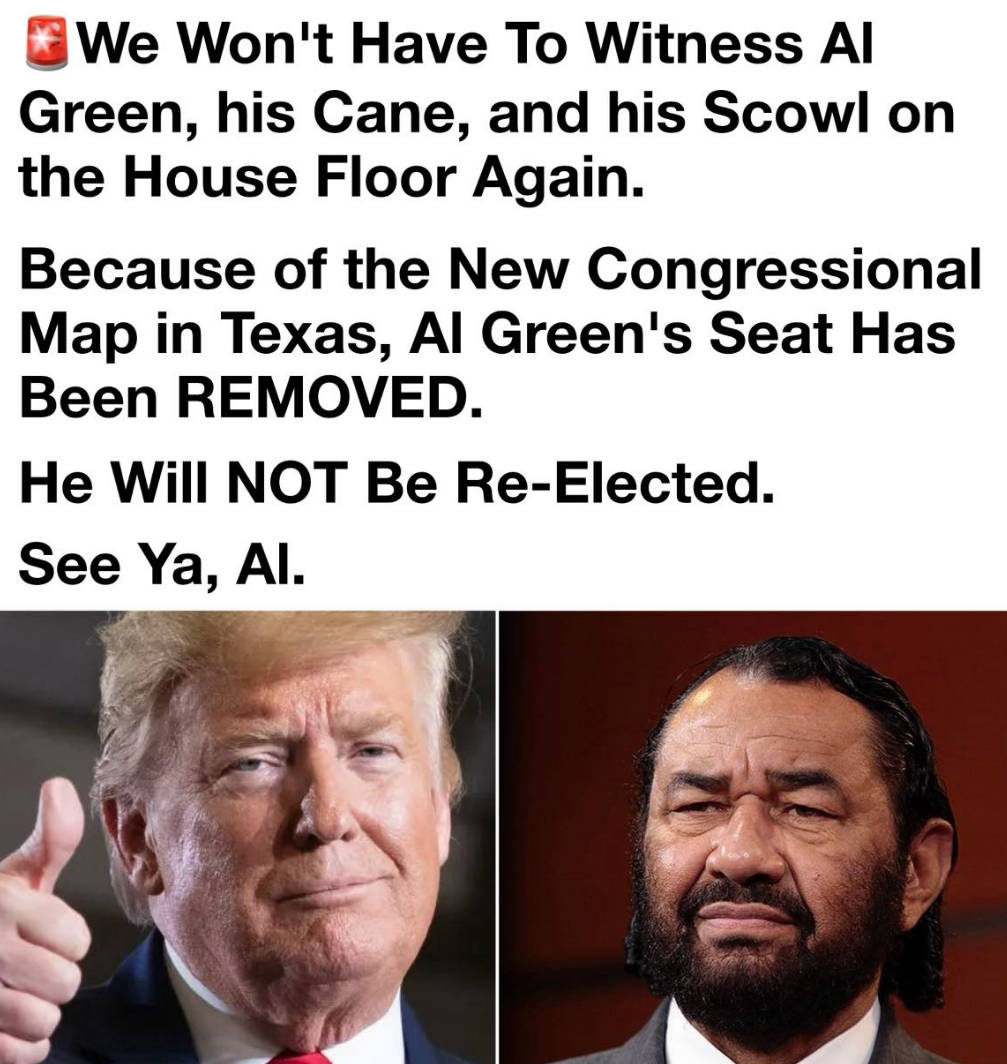
Recent political reporting and commentary surrounding Texas’ congressional redistricting process indicate that changes to district boundaries have reshaped the electoral landscape in parts of Houston, including areas associated with long-serving Democratic Representative Al Green. The adjustments have contributed to a more competitive political environment in districts that were previously considered safely aligned with one party.
Al Green, a veteran member of Congress known for his long tenure and frequent participation in high-profile partisan debates, is now facing a more closely watched primary environment following the redrawing of district maps. According to local political observers, the updated configuration has altered voter composition in ways that may increase electoral competition in upcoming races.
Within this evolving political context, Houston-area candidates are preparing for intensified primary contests, including challenges from emerging Democratic figures such as Harris County Attorney Christian Menefee. Political analysts note that intra-party competition has become more visible in certain urban districts as demographic shifts, redistricting outcomes, and voter engagement trends reshape local electoral dynamics.
The runoff election scheduled for May 26 has drawn attention from both local and national political commentators. Some view the contest as part of a broader pattern of generational and ideological competition within the Democratic Party, where established incumbents face increasing challenges from newer political voices seeking to represent evolving constituencies.
Supporters of electoral change argue that redistricting is a standard part of the democratic process designed to reflect population shifts and ensure equal representation. They contend that competitive districts can increase voter engagement and accountability among elected officials.
At the same time, critics of redistricting processes in general often raise concerns about political motivations behind map drawing, commonly referred to as gerrymandering. These debates frequently lead to legal challenges and public scrutiny over how district boundaries are drawn and whether they fairly represent community interests.
Political analysts emphasize that early campaign narratives and polling trends in newly configured districts can shift significantly as voter turnout, endorsements, and campaign organization efforts develop closer to election day. As a result, outcomes in competitive primaries remain uncertain until ballots are cast and counted.
The situation in Houston reflects broader national trends in which redistricting, demographic change, and intra-party competition are playing an increasingly important role in shaping congressional elections across the United States. Observers note that such dynamics are likely to continue influencing political strategy and candidate positioning in future election cycles.