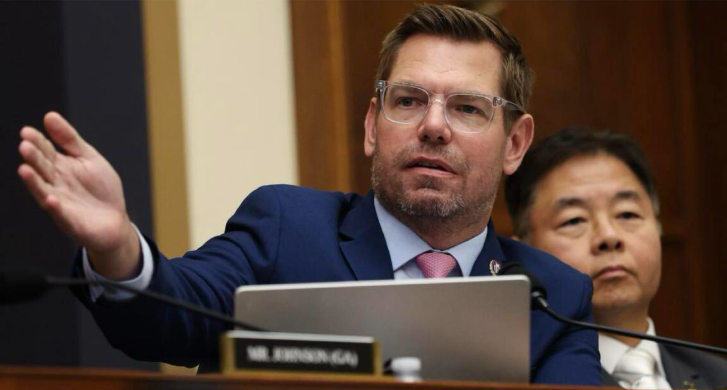
Former Rep. Eric Swalwell (D-Calif.) announced his resignation from the U.S. House of Representatives in April 2026 following multiple allegations of sexual misconduct and assault. The announcement came shortly after reports detailed claims from several women, including a former congressional staffer, prompting widespread calls for his departure from both sides of the political aisle.
Swalwell, who had been a prominent figure in California politics and a leading candidate for governor, suspended his gubernatorial campaign before submitting his resignation. In a statement, he cited the need to avoid distracting from his constituents’ needs amid the growing controversy. The resignation became effective shortly thereafter, triggering a special election process in his East Bay district.
The allegations, first reported by outlets including CNN and the San Francisco Chronicle, include claims of unwanted sexual advances, inappropriate messages, and more serious accusations of assault. One former staffer alleged non-consensual acts while she was intoxicated. Another woman, Lonna Drewes, publicly accused Swalwell of drugging and raping her in a hotel room in 2018. Swalwell has denied the allegations, describing them as politically motivated and asserting that any past mistakes did not involve misconduct.
The case has drawn attention to broader questions about ethics in Congress, accountability for elected officials, and the handling of misconduct claims. Law enforcement investigations, including probes by the Manhattan District Attorney and Los Angeles County Sheriff’s Department, remain ongoing as of the latest reports.
Discussions have also surfaced regarding congressional pensions and benefits for officials who resign under such circumstances. Critics argue that reforms are needed to prevent individuals facing credible ethics violations from receiving full retirement packages funded by taxpayers. Supporters of accountability measures suggest that public service demands higher standards and that current rules may insufficiently deter misconduct.
Swalwell’s departure adds to a series of high-profile exits from Congress in recent years, highlighting persistent challenges within the political system. As the special election proceeds and investigations continue, the episode has fueled debates about transparency, due process, and institutional reforms in Washington.
This development underscores the complex intersection of personal conduct, public trust, and governance in American politics.
BREAKING 🚨 Eric Swalwell Resigns from Congress Amid Sexual Misconduct Allegations