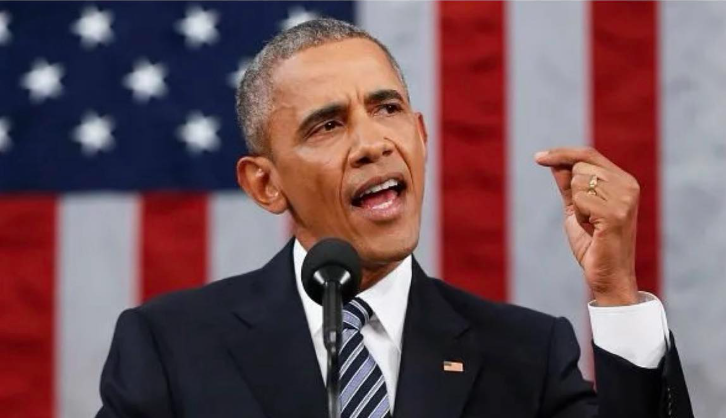
As discussions about former President Barack Obama’s eight years in office continue more than a decade after he left the White House, opinions remain deeply divided along partisan lines. Supporters credit his administration with guiding the country through the aftermath of the 2008 financial crisis, implementing major healthcare reform, and advancing certain social policies. Critics, however, argue that his tenure contributed to increased national debt, foreign policy challenges, and heightened domestic divisions.
The national debt rose significantly during Obama’s presidency, climbing from approximately $10 trillion to nearly $20 trillion, partly due to economic stimulus measures and expanded government programs. Unemployment rates eventually fell to historic lows for several demographic groups by the end of his second term, though critics point to slow wage growth and labor force participation issues in the early years.
Foreign policy under Obama included the Iran nuclear deal, the withdrawal of troops from Iraq, and the operation that resulted in the death of Osama bin Laden. Detractors contend these decisions contributed to regional instability, the rise of ISIS, and strained relationships with traditional allies. Domestically, the Affordable Care Act expanded insurance coverage to millions but faced ongoing legal and political challenges.
Scandals such as the IRS scrutiny of conservative groups and the handling of the 2012 Benghazi attack drew significant criticism and congressional investigations. The administration maintained that actions were lawful and transparent, while opponents viewed them as examples of politicization within federal agencies.
Race relations became a prominent topic during Obama’s time in office, with some crediting him for promoting dialogue on equality while others argue his comments exacerbated tensions. Immigration policies, including expanded protections for certain undocumented immigrants, remain subjects of debate regarding their long-term impact on border security and the economy.
As historians and political analysts continue to assess his legacy, Obama’s presidency is often cited in discussions about the effectiveness of progressive policies versus more traditional approaches. Supporters highlight advancements in renewable energy, same-sex marriage legalization, and economic recovery. Critics maintain that expanded government intervention led to dependency and weakened American exceptionalism.
The conversation reflects broader ideological divides in American politics. With the nation facing new challenges in 2026, reflections on the Obama era serve as a reference point for evaluating different governance philosophies and their consequences for future generations.
BREAKING 🚨 Ongoing Debate Over Barack Obama’s Presidential Legacy Intensifies