Energy Secretary Chris Wright stated on Friday that gasoline prices may start to decline within weeks, even as they experience a significant increase linked to the intensifying conflict involving Iran. He described the current disruption in global oil markets as likely short-lived.
“Iran has served as a driver of higher energy costs for 47 years, spanning the entire duration of its regime,” Wright remarked during an interview, as reported by Newsmax. “We are seeing a brief interruption now that could ultimately halt their capacity to cause chaos, take American lives, and intimidate neighboring countries.”
These comments arrived amid reactions from oil markets and motorists to elevated crude oil and gasoline costs, prompted by coordinated U.S.-Israeli military actions targeting Iran.
Iran has additionally moved to interfere with maritime traffic in the Strait of Hormuz, a vital global oil transit route. This passage links the Persian Gulf to the Gulf of Oman and typically handles around 20 percent of worldwide petroleum liquids use. Any interference in this chokepoint can rapidly affect international energy prices.
According to AAA, the U.S. national average for regular gasoline climbed to $3.32 per gallon on Friday, marking an increase from $2.98 one week prior.
Patrick De Haan, head of petroleum analysis at GasBuddy, cautioned that an extended interruption could aggravate conditions. “Millions of barrels of oil that typically reach global markets are not getting to consumers,” De Haan explained.
“Each extra day the disruption persists makes the issue worse. Even with an immediate reopening of the Strait, markets would struggle to recover from accumulated missed deliveries, with the backlog becoming harder to manage over time,” he continued.
Experts have cautioned that a prolonged shutdown or major limitations in the strait could drive oil prices much higher, heightening inflation concerns and adding challenges for the White House.
Prior to this recent surge, gasoline prices had stayed lower than those observed during much of 2024 and the start of 2025.
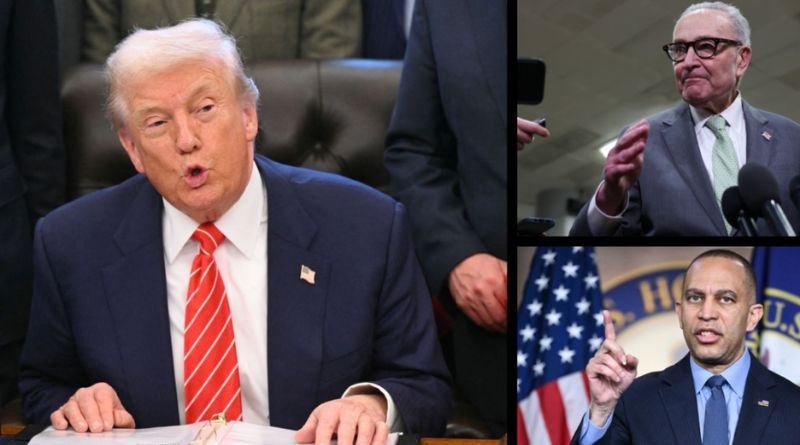
President Donald Trump commented on Thursday that he lacked worry about the possibility of sustained high gas prices. “I don’t have any concern about it,” Trump told Reuters.
“They’ll drop very rapidly when this is over, and if they rise, they rise, but this is far more important than having gasoline prices go up a little bit,” Trump added.
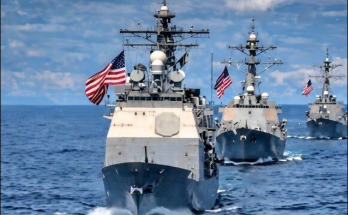
Administration officials have maintained that current military and naval efforts will contribute to stabilizing worldwide oil markets in the longer term.
Wright expressed confidence that prices could ease in weeks, not months. Ultimately, the trajectory of fuel costs for American consumers will hinge on ongoing events in the Middle East, with factors like shipping routes, refinery activity, and oil export flows influencing daily outlooks.
On February 27, Oman’s foreign minister indicated that discussions with Iran had yielded a possible major advance in addressing the nation’s nuclear program, despite reports of the Islamic Republic secretly progressing its nuclear weapons efforts.
In a CBS interview conducted in Washington, the minister noted that Iranian representatives had agreed in principle to eliminate their enriched uranium stockpile, allow comprehensive oversight by the International Atomic Energy Agency (IAEA), and transform current nuclear materials into reactor fuel.
The minister described the proposal as including irreversible measures to block weaponization of the material, with international inspectors able to confirm adherence.
“This is something completely new,” he stated. “If you cannot stockpile material that is enriched, then there is no way you can actually create a bomb.”
On the same day Oman highlighted this reported progress in nuclear talks with Iran, the International Atomic Energy Agency (IAEA) distributed a confidential report expressing worries about undeclared nuclear material, as noted by Vision Times.
The agency indicated it could not confirm the precise quantity, makeup, or exact whereabouts of the material. Inspectors further cited a “loss of continuity of knowledge” concerning Iran’s nuclear inventory.