Tom Homan Explains Why He Returned as Border Czar: A Lifetime Fighting Border Tragedies
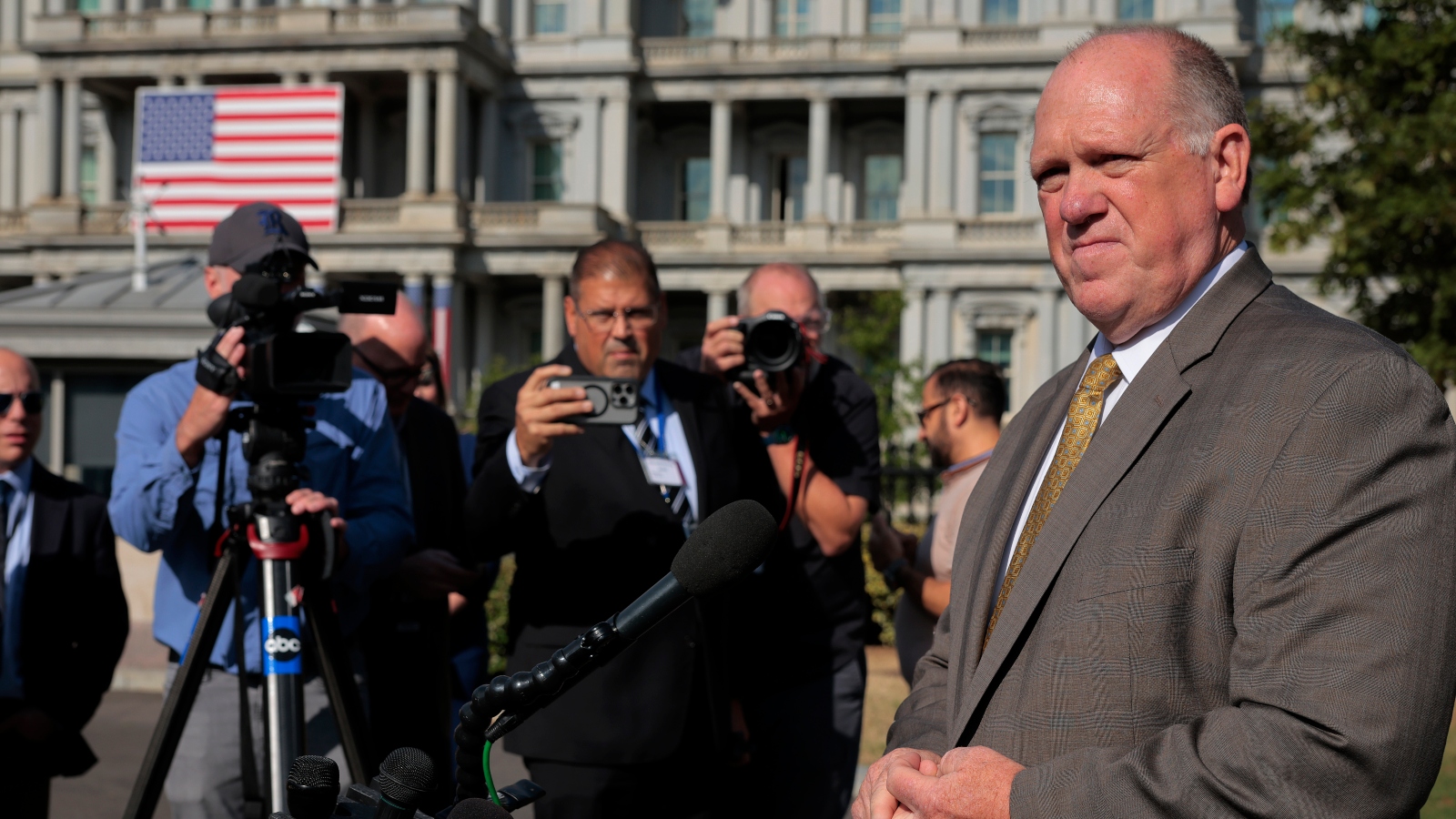
Tom Homan, President Donald Trump’s Border Czar, opened up about his decision to return to federal service in a candid interview on The Alex Marlow Show podcast. The former ICE director shared raw stories from his 35-year career in immigration enforcement. He explained why he could not say no when Trump asked him to help secure the southern border again.
Homan spoke from Washington, D.C., in early March 2026. He described heartbreaking scenes he witnessed firsthand. These experiences, he said, drive his mission to save lives and stop dangerous smuggling.
This conversation highlights the human cost of weak border policies. Homan’s words carry weight because they come from decades on the front lines.
Homan’s Long Career in Immigration Enforcement
Tom Homan joined the U.S. Border Patrol in 1984. He rose through the ranks and later became the first Department of Homeland Security official to lead ICE.
He served under six presidents, starting with Ronald Reagan. For years, many viewed him as non-partisan. He enforced the law under both Democrats and Republicans.
In recent years, Homan has faced intense criticism from opponents of strict immigration policies. Threats against him and his family have forced him to live apart from loved ones for months.
When host Alex Marlow asked about the attacks, Homan replied simply: “I don’t care.” He knew the hate would come, but the mission mattered more.
Why He Came Out of Retirement—Again
Homan said this marks his second time returning from retirement at Trump’s request. He found it impossible to refuse.
“How do you say no to the president of the United States when the job is to fix something where thousands of people have died?” he asked.
He stressed that border security saves lives. From his perspective, strong enforcement prevents tragedies caused by cartels and human smugglers.
Homan’s family understands the stakes. They support his work despite the personal cost.
The Tragedies That Shaped His Mission
Homan grew emotional as he recalled specific cases from his career. These stories, he said, explain why border security feels so personal.
- He held dead children after smuggling attempts went wrong.
- He spoke with a 9-year-old girl raped multiple times by cartel handlers.
- He stood at the back of a tractor-trailer where 19 people baked to death, including a 5-year-old boy.
The tractor-trailer case hit hardest. When the doors opened, survivors rushed for air. Several bodies fell out. Inside, Homan saw the dead boy in his underwear. His father held him. Most victims stripped down to cool off in the hot metal trailer.
Homan said these images stay with him. “If you wore my shoes for three and a half decades, you wouldn’t ask that question,” he told critics.
He also described cartel torture. Smugglers would harm people who could not pay fees. They forced relatives to listen over the phone.
These horrors, Homan argued, show why strong borders matter. Weak policies, he believes, enable cartels and cost innocent lives.
What This Means for Border Policy in 2026
Homan’s interview comes as the Trump administration ramps up enforcement. Deportations, wall construction, and asylum changes move forward quickly.
Supporters praise Homan’s experience. Critics say his approach harms migrants and families.
Yet Homan focuses on results. He wants to stop deaths in the desert, end child exploitation, and dismantle smuggling networks.
From my perspective following border security news for years, stories like the tractor-trailer tragedy remind us of the real stakes. Numbers on a page cannot capture the human suffering.
Final Thoughts on Homan’s Motivation
Tom Homan did not mince words. He returned because he has seen too much death and pain. The threats and separation from family do not change his resolve.
His message is clear: secure borders save lives. After 35 years, that conviction defines him.
Listen to the full podcast on Breitbart or major platforms for the complete conversation. What stands out most to you in Homan’s stories? Share your thoughts from Seattle below.