Iran Drone Swarm Threat to US Aircraft Carrier: Reality vs Propaganda in 2026
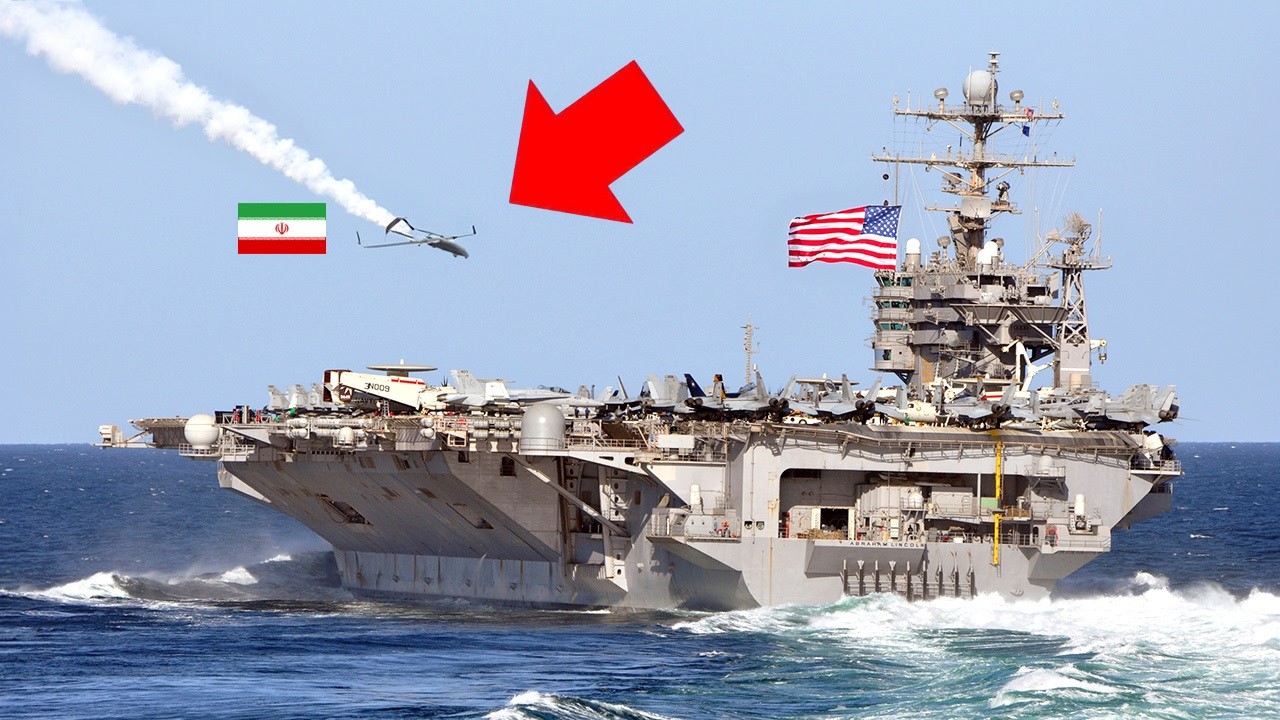
Iran’s Revolutionary Guard released footage showing a drone swarm attacking a mock-up of the USS Abraham Lincoln aircraft carrier. The video sends a clear message: cheap drones can overwhelm expensive naval assets through sheer numbers. Tehran uses this propaganda to project strength to its people and to warn the US Navy in the Strait of Hormuz.
However, real naval combat looks very different from dramatic videos. Modern US carrier strike groups rely on layered defenses, advanced sensors, and emerging technologies like directed energy weapons. These systems shift the balance away from simple cost asymmetry.
In early 2026, amid rising tensions in the Persian Gulf, experts debate whether Iran could actually saturate and defeat a US carrier group. The short answer: it’s far harder than propaganda suggests.
How Iran Might Attempt a Real Drone Attack
Iran would not launch one massive swarm all at once. Instead, attacks would build gradually to test defenses and create confusion.
Coastal sites near Bandar Abbas would fire drones in waves. Most would use Shahed-136 style one-way attack drones. These rely on basic GPS guidance and fixed targets.
Once launched, the drones cannot change course easily or dodge jamming. Their power comes from low cost and large numbers, not smart adaptability.
US detection starts early. An E-2D Hawkeye aircraft flies high above the fleet. Its radar spots low-flying drones from far away. Data flows instantly through the Cooperative Engagement Capability network. This lets any ship in the group fire using shared information.
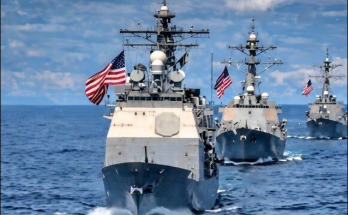
US Navy’s Layered Defense System
Carrier groups use multiple defense layers working together.
- Long-range missiles — Standard Missile-2 or SM-6 engage threats dozens of miles out.
- Medium-range systems — Rolling Airframe Missiles handle closer targets.
- Close-in defenses — Phalanx CIWS guns and naval cannons shred drones within a few miles.
- Guns with proximity fuses — These explode near slow aerial targets for high hit rates.
Critics highlight the cost gap: millions for a missile versus tens of thousands for a drone. Iran hopes to exhaust US missile stocks.
However, the US Navy has changed the math with new tools.
Directed Energy Weapons Change the Game
High-powered microwave and laser systems now counter drone swarms effectively. These draw power from the ship itself—no limited ammo supply.
High-powered microwaves fry drone electronics. One burst can disable several drones at once. Lasers burn through structures or guidance systems.
These weapons face limits like weather, thermal buildup, and power needs. Still, they reduce reliance on expensive missiles for high-volume threats.
The Aegis combat system coordinates everything. It calculates safe engagement windows in milliseconds to avoid friendly fire or interference.
The Bigger Threat: Combined Arms Attack
Iran’s real doctrine mixes tools for maximum pressure.
- Drone swarms saturate radars.
- Anti-ship ballistic missiles like Khalij Fars force high-end intercepts.
- Fast boats launch cruise missiles to exploit gaps.
US responses include MH-60R Seahawk helicopters striking boats early. Kinetic interceptors handle ballistic threats. Directed energy tackles drone volume.
This layered fight demands perfect timing and information sharing.
Why Attacking Reveals Iran’s Weak Points
Every drone launch exposes launch sites. Radars light up. Shelters open. Signals transmit.
The E-2D Hawkeye locates these emissions precisely. A failed attack hands the US valuable targeting data for future strikes.
Defense becomes offense. The carrier group keeps most missiles while mapping Iran’s network.
Current Status in March 2026
Tensions remain high after recent US-Israel strikes on Iranian targets. Iran continues propaganda releases, but no major drone attack on US ships has occurred yet.
Naval experts note that US upgrades—flat-panel directed energy systems, better algorithms, and network integration—have advanced quickly since 2020.
The quiet improvements often matter more than flashy videos.
Conclusion: Integration Beats Numbers
Drone swarms test modern navies. Yet US carrier groups win through seamless sensors, automation, and adaptive weapons.
Propaganda videos look scary. Real warfare rewards preparation, technology, and information dominance.
The US Navy has spent years closing the gaps Iran hopes to exploit. Quantity still matters, but quality and integration matter more.
What do you think about the role of directed energy weapons in future naval conflicts? Share your thoughts from Seattle.