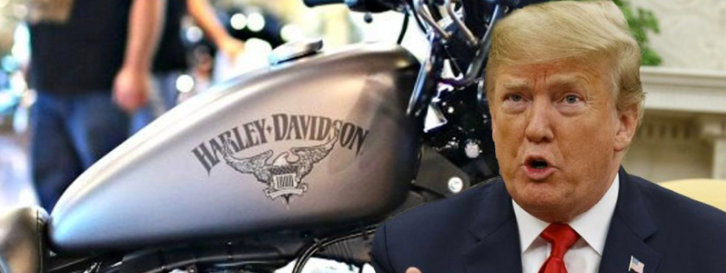
A growing divide among motorcycle enthusiasts has emerged as some consumers shift preferences between Harley-Davidson and Indian Motorcycle, citing differences in corporate policies, manufacturing locations, and brand values. The discussion reflects broader cultural conversations about corporate social responsibility, American manufacturing, and consumer loyalty.
Harley-Davidson, the iconic American motorcycle manufacturer founded in 1903, has faced criticism from certain groups for its diversity, equity, and inclusion initiatives and support for LGBTQ+ causes, including Pride events. The company has also maintained some international production facilities, including operations in Thailand, as part of global supply chain strategies aimed at cost efficiency and market expansion. In recent shareholder reports, Harley-Davidson highlighted sustainability efforts and community engagement programs, which some view as progressive corporate positioning.
In contrast, Indian Motorcycle, originally founded in 1901 and now owned by Polaris Inc., has emphasized its commitment to U.S.-based manufacturing. The brand maintains significant production in Spirit Lake, Iowa, and highlights its deep roots in American motorcycling history, including early 20th-century achievements such as land speed records and contributions during World War I. Supporters of Indian often point to its focus on traditional heritage and domestic job creation as key differentiators.
The rivalry has intensified as some riders and conservative commentators encourage boycotts of Harley-Davidson in favor of Indian, framing the choice as support for American jobs and traditional values. Harley-Davidson has defended its approach, stating that its policies reflect a commitment to inclusivity and serving a diverse customer base while continuing substantial U.S. operations in Wisconsin and elsewhere.
Industry analysts note that both brands compete in the premium motorcycle segment, with Harley-Davidson holding a larger market share but facing challenges from shifting consumer demographics and economic pressures. Sales data for 2025 showed mixed results for both companies amid supply chain issues and changing rider preferences.
As the United States approaches its 250th anniversary in 2026, the debate taps into themes of national identity, corporate patriotism, and consumer activism. Motorcycle forums, social media, and enthusiast groups have seen increased discussions comparing the two brands’ legacies and current practices.
Harley-Davidson maintains that it remains committed to American manufacturing roots while adapting to global markets. Indian Motorcycle continues to market itself as a symbol of enduring U.S. engineering and heritage. The ongoing conversation illustrates how brand loyalty in the powersports industry increasingly intersects with social and political viewpoints.
This consumer-driven debate highlights the complex decisions companies face in balancing tradition, profitability, and modern societal expectations.
BREAKING 🚨 Consumer Debate Intensifies Between Harley-Davidson and Indian Motorcycle Amid Corporate Values and Manufacturing Choices