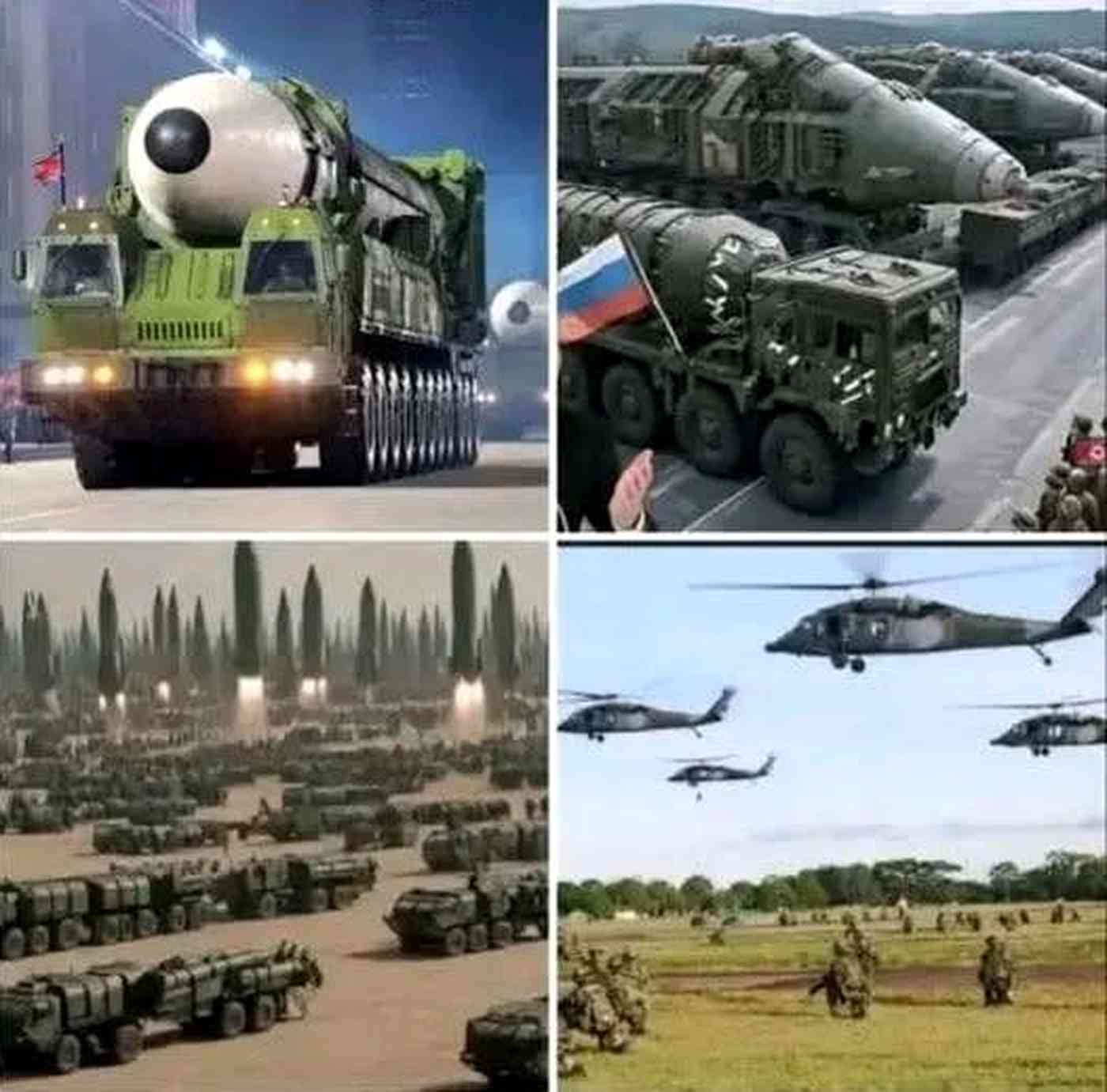
Europe is entering a period of profound strategic uncertainty, where long-standing assumptions about peace, stability, and external protection are being reconsidered at the highest political levels. The ongoing war in Ukraine, shifting signals from the United States, and repeated warnings from military and intelligence officials have created a sense of urgency across the European Union.
What was once considered unthinkable—the possibility that Europe may need to independently
secure its own defense without guaranteed external backing—has now become a serious topic of policy discussion.
For decades after the Second World War and throughout the Cold War’s aftermath, European security largely depended on a combination of diplomatic cooperation, economic integration, and strong transatlantic ties, particularly with the United States through NATO. That framework created a perception of long-term stability.
However, recent global developments have disrupted that perception. With war continuing in Ukraine, increasing geopolitical tensions with Russia, and evolving priorities in Washington, European leaders are now accelerating efforts to strengthen military readiness, industrial capacity, and strategic autonomy.
The central question facing policymakers today is no longer theoretical: it is whether Europe can realistically defend itself in a rapidly changing global security environment.
A Growing Sense of Pressure Across Europe In Brussels, the political center of the European Union, discussions about defense and security have taken on an increasingly urgent tone. Policymakers describe an atmosphere of heightened alert, driven not by speculation but by observable shifts in global geopolitics.
The conflict in Ukraine has fundamentally altered Europe’s security calculations. It has demonstrated that large-scale war on the continent is not only possible but already underway. At the same time, messages from U.S. political and defense circles suggest that Europe may need to take on a larger share of its own security responsibilities in the coming years.
European Union leaders are now working to balance two priorities: deterring potential threats while maintaining unity among member states with differing political perspectives and defense capabilities.
In response to the evolving situation, EU institutions and member states have approved substantial financial support packages for Ukraine and have simultaneously begun developing long-term defense strategies. Among these initiatives is a multi-year financial commitment aimed at strengthening Ukraine’s resilience while reinforcing Europe’s own security infrastructure.
European Commission President Ursula von der Leyen has also promoted new defense-related policy frameworks designed to improve readiness by the end of the decade.
The broader message emerging from European institutions is increasingly consistent: Europe’s security environment has changed permanently, and adaptation is required.
Rising Warnings From Global Leaders Across NATO and European governments, senior officials have issued increasingly direct warnings about the potential for further escalation in the region.
The war in Ukraine remains the central focus, but concerns extend beyond it. Leaders have cautioned that prolonged instability could increase the risk of wider confrontation in Europe.
Statements from political and military figures have contributed to this growing sense of urgency. Some leaders have suggested that Russia’s long-term strategic intentions could extend beyond Ukraine, while others emphasize the need for preparedness regardless of the specific scenario.
The Secretary General of NATO, Mark Rutte, has highlighted the importance of readiness and resilience within the alliance. Similarly, defense officials in several European countries have stressed that Europe must prepare for a range of possible security developments over the coming years.
In Germany, Defense Minister Boris Pistorius has been among the most vocal voices warning that the security environment in Europe may be entering a more dangerous phase than at any time in recent decades.
Although the precise nature of future threats remains uncertain, the overall direction of official messaging is clear: preparedness is becoming a central policy priority.
Public Opinion and the Civilian Readiness Gap While governments are increasing defense planning, public sentiment across Europe reflects a more cautious and divided perspective.
Surveys conducted across multiple EU member states suggest that willingness among citizens to participate directly in military defense remains relatively low. In one large-scale poll, a significant majority of respondents indicated they would not personally take up arms in the event of a conflict involving their country or the European Union.
This gap between institutional preparedness and public willingness raises important questions about long-term resilience and societal readiness.
At the same time, perceptions of risk vary significantly across the continent. Countries closer to Russia tend to report higher levels of concern regarding potential military escalation. In parts of Eastern and Northern Europe, anxiety about security threats is notably more pronounced than in Western and Southern regions.
In several states, public concern about military conflict now ranks alongside economic instability, energy security, and migration as a major issue affecting national policy discussions.
Eastern Europe’s Proactive Security Measures Some of the most significant defense-related developments are taking place in Eastern and Northern Europe, where governments have adopted more direct and visible preparedness strategies.
Countries such as Lithuania, Latvia, Estonia, Poland, Finland, and Sweden have implemented a wide range of civil defense and military readiness initiatives. These include infrastructure improvements, public awareness campaigns, and updated emergency response programs.
In Lithuania, authorities have explored innovative border protection methods, including environmental modifications and surveillance enhancements designed to slow potential incursions. Latvia has expanded national defense education programs in schools, introducing structured training on emergency response and national security awareness.
Poland has invested heavily in border security infrastructure and expanded educational programs focused on resilience and preparedness, including training elements for younger populations.
Finland, Estonia, and Sweden have reintroduced or modernized civil defense systems originally developed during the Cold War era. In Sweden, updated crisis preparedness information has been distributed to households nationwide, reflecting a renewed emphasis on civilian readiness.
These developments reflect a broader regional mindset: security is not viewed solely as a military responsibility but as a whole-of-society effort.
Strengthening European Defense at the Institutional Level At the European Union level
defense policy has undergone significant expansion in both funding and scope.
EU-wide defense expenditure has increased substantially in recent years, reaching hundreds of billions of euros annually when combined across member states. Future budget planning reflects an even stronger emphasis on security-related investment, particularly in aerospace, cyber defense, and military mobility.
A major component of this strategy is improving the ability of military forces to move quickly across Europe. Under new readiness initiatives often referred to as “military mobility” programs, the EU aims to reduce logistical delays that could slow troop movements in a crisis.
Plans include upgrading critical infrastructure such as bridges, railways, ports, and tunnels to support heavy military equipment. These improvements are designed to ensure that forces can be deployed rapidly across member states when necessary.
The estimated cost of these upgrades runs into tens of billions of euros and is expected to be shared between EU funding mechanisms and national budgets.
Coordinating Europe’s Defense Industry One of the longstanding challenges facing Europe has been fragmentation within its defense industry. Different countries often produce incompatible systems, leading to inefficiencies and slower production timelines.
To address this issue, the EU has introduced coordination programs aimed at improving cooperation between defense manufacturers and member states.
A key initiative is the European Defence Industry Programme (EDIP), which supports joint research and development projects involving multiple countries. The goal is to reduce duplication and encourage standardized production across Europe.
Another major mechanism is a large-scale financing tool designed to support joint procurement of military equipment. This system enables countries to pool resources, reduce costs, and accelerate delivery of critical defense systems such as air defense platforms, drones, and ammunition.
Together, these programs aim to strengthen Europe’s industrial base and improve overall military readiness.
The Role of the United States and Transatlantic Tensions The United States continues to play a central role in European security through NATO, but political expectations from Washington have become more demanding.
Recent U.S. strategic documents emphasize the need for Europe to take greater responsibility for its own defense capabilities. This reflects a broader policy shift toward prioritizing domestic and Indo-Pacific security interests.
American officials have encouraged European allies to increase defense spending and improve military readiness, with some proposals suggesting that Europe should be capable of handling a larger share of conventional defense responsibilities in the coming years.
At a NATO summit in 2025, member states discussed long-term defense spending targets significantly higher than previous benchmarks, reflecting a shared recognition that military investment must increase across the alliance.
However, European leaders have expressed concern that rapid shifts in U.S. expectations may not align with Europe’s political, economic, and industrial realities.
Europe Responds to External Pressure European Union officials have responded to external critiques by emphasizing the importance of strategic autonomy and mutual respect within transatlantic relations.
Senior EU representatives have rejected suggestions that Europe is incapable of managing its own defense transformation. Instead, they argue that reforms are already underway and that progress is being made, even if challenges remain significant.
The broader message from Brussels is that Europe values its partnership with the United States but also intends to strengthen its independent capabilities.
This evolving dialogue reflects a gradual but noticeable shift in the balance of expectations between the two sides of the Atlantic.
Structural Challenges and Institutional Limitations Despite increased funding and political commitment, experts caution that Europe faces deep structural challenges in transforming its defense capabilities.
Procurement systems remain complex and often slow, with regulatory differences between countries creating delays. Industrial fragmentation continues to limit efficiency, and production capacity in certain critical sectors remains insufficient for rapid scaling.
Analysts also point out that democratic decision-making processes, while essential, can slow down urgent defense initiatives. Balancing transparency, accountability, and speed remains a key challenge for EU institutions.
Although reforms are underway to simplify funding mechanisms and streamline approvals, many observers believe that meaningful transformation will take time.
Conclusion: A Critical Phase in European Security Europe now finds itself at a pivotal moment in its modern history. The combination of ongoing conflict in Ukraine, shifting global alliances, and internal policy debates has created a sense of urgency not seen in decades.
While financial investment in defense is increasing and new coordination mechanisms are being introduced, significant challenges remain in terms of implementation, industrial capacity, and public readiness.
The central issue facing Europe is no longer whether change is necessary, but whether it can be achieved quickly enough to match the pace of global developments.
As policymakers across the European Union continue to debate strategy and investment, one reality is becoming increasingly clear: Europe’s approach to security is undergoing a fundamental transformation, and the outcome of that transformation will shape the continent’s future for years to come.