Growing tensions within the Republican Party are continuing to shape debates over leadership, loyalty, and the future direction of the conservative movement ahead of upcoming election cycles. Recent political commentary surrounding Senator Bill Cassidy and Senator Lindsey Graham has highlighted ongoing divisions between establishment Republicans and voters aligned with former President Donald Trump’s America First agenda.
Online discussions intensified after claims circulated suggesting that dissatisfaction with Cassidy among portions of the Republican base reflects broader frustration with lawmakers viewed as insufficiently supportive of Trump and his policy priorities. Political activists and commentators supporting the America First movement argue that Republican voters are increasingly demanding candidates who align closely with conservative positions on immigration, government spending, trade, and national sovereignty.
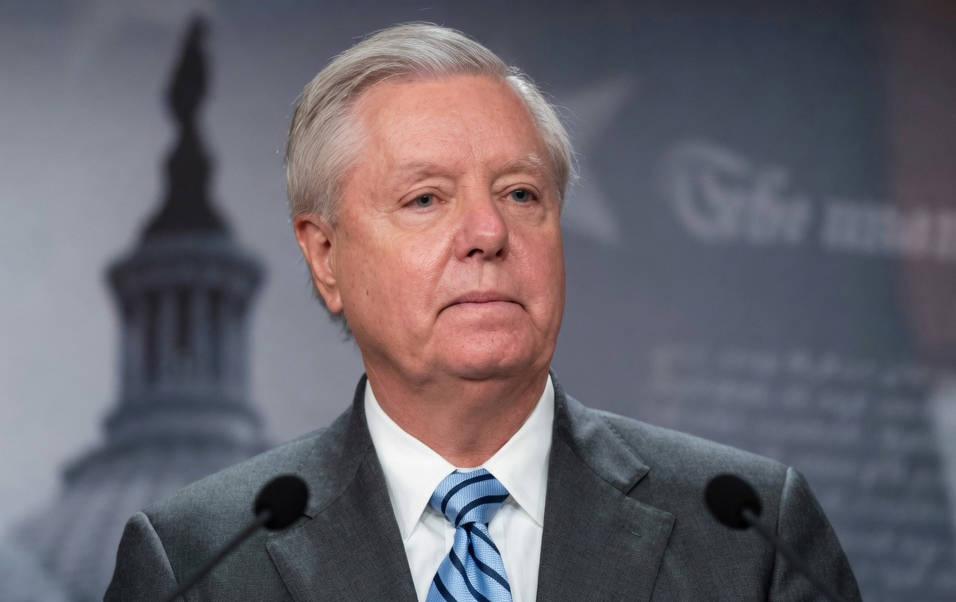
The debate has also turned attention toward Senator Lindsey Graham, whose relationship with Trump has evolved significantly over recent years. While Graham has publicly supported many of Trump’s policies and legal defenses, critics within some conservative circles continue to point to periods of past disagreement between the two figures. These tensions have fueled speculation about potential future primary challenges and the direction Republican voters may take in selecting party leadership candidates.
Supporters of Trump-aligned candidates argue that the Republican Party’s future depends on maintaining strong connections with grassroots conservative voters. They contend that election outcomes and primary contests increasingly reflect voter demands for candidates who present themselves as outsiders willing to challenge traditional political institutions in Washington.
At the same time, other Republicans have warned that deep internal divisions could create challenges for party unity heading into major national elections. Some party strategists argue that maintaining a broad coalition remains essential for electoral success, particularly in competitive states and districts where moderate and independent voters play a significant role.
Political analysts note that ideological disputes within major parties are common during periods of political realignment, especially when influential national figures continue to shape party identity long after leaving office. Trump’s continued influence over Republican politics remains a defining factor in many state and federal races, with endorsements and public support from the former president still carrying substantial weight among segments of the GOP electorate.
As campaign activity accelerates across the country, debates over loyalty, policy direction, and party leadership are expected to remain central themes within Republican politics. The outcome of future primaries and leadership contests may ultimately determine how strongly the America First movement continues to shape the party’s national strategy in the years ahead.
📌🔔 Political Pressure Mounts on GOP Figures as Trump-Aligned Voters Push for Stronger America First Loyalty