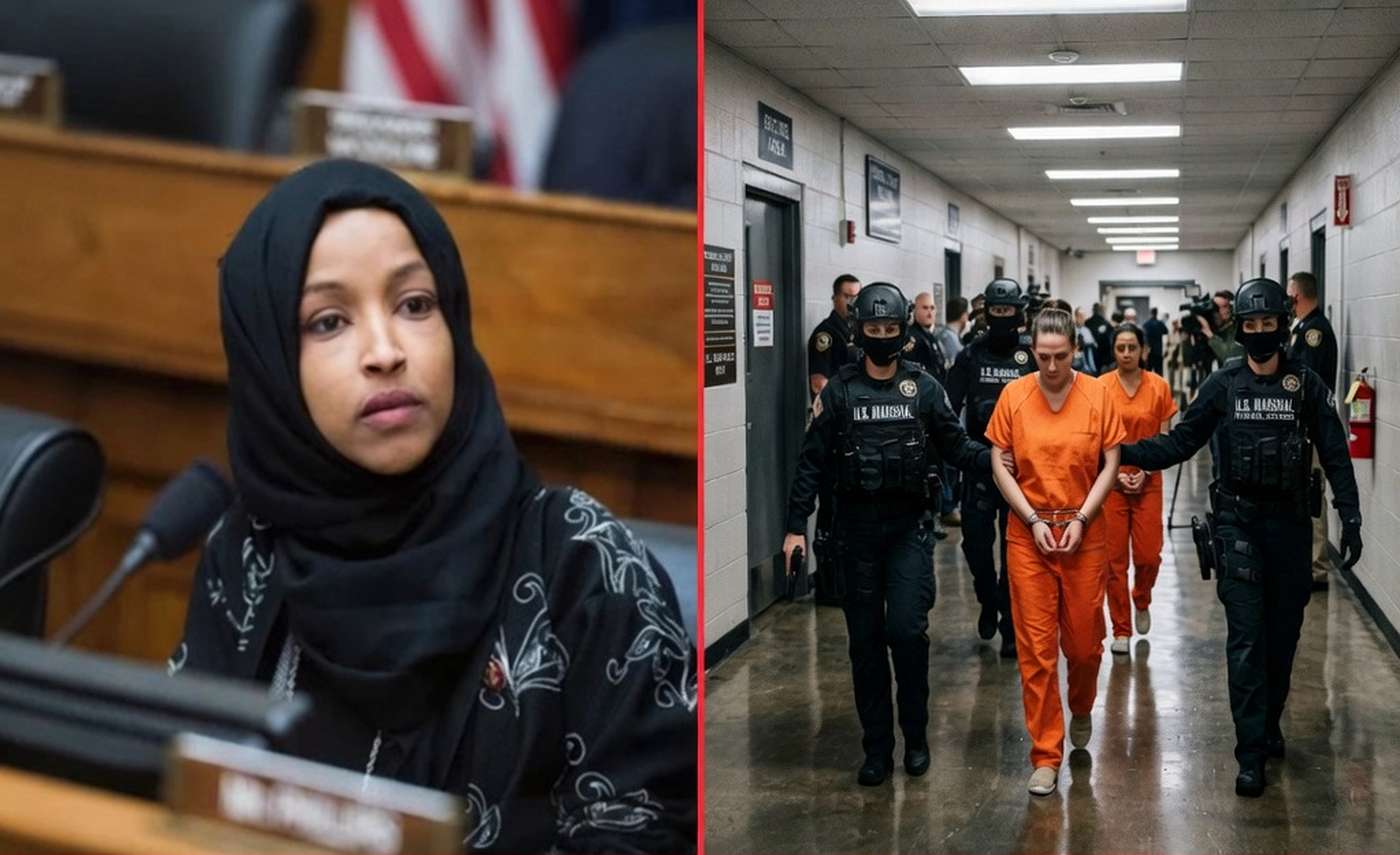
The Tennessee House of Representatives advanced a new congressional redistricting map on Wednesday as part of a broader effort by Republican-led states to adjust district boundaries following a recent U.S. Supreme Court ruling. The high court’s decision last week limited the application of Section 2 of the Voting Rights Act of 1965, determining that race cannot be the predominant factor in drawing district lines to create majority-minority districts. The ruling has prompted several red states to revisit maps that were previously shaped by federal court orders or consent decrees emphasizing racial demographics.
In Tennessee, the new map eliminates one district that had been drawn with a significant focus on creating a majority-Black constituency. Republicans argued the change aligns with the Supreme Court’s guidance and restores traditional districting principles based on population equality, compactness, and contiguity rather than racial composition. The proposal passed the House amid tense proceedings that included vocal protests from Democratic lawmakers.
As the vote proceeded, Democratic members engaged in sustained disruption, shouting and displaying pre-made signs reading “Black Votes Matter.” The demonstrations escalated to the point where state police removed several Democratic representatives from the chamber. Video footage from the floor showed lawmakers being escorted out while continuing to voice objections. Republican leadership maintained that the process followed standard legislative procedure and that the map complies with constitutional standards.
Tennessee currently has one Democratic member of Congress, Rep. Steve Cohen of Memphis, who represents the state’s 9th District. Cohen, who is white, was elected from a district that has historically been drawn to reflect the city’s majority-Black population. The new map is expected to alter the boundaries of several districts, including the 9th, potentially making it more competitive or shifting its demographic balance.
The Supreme Court’s ruling stemmed from challenges to maps in multiple states, most notably Louisiana, where lower courts had required the creation of an additional majority-Black district. The justices held that such race-based remedies, when race is the predominant consideration, violate the Equal Protection Clause of the 14th Amendment. Legal analysts note that the decision could affect up to 19 congressional districts nationwide in states with Republican legislative majorities, though the exact timeline for implementation varies by state.
Tennessee’s action places it among the latest states, including Florida, Texas, and North Carolina, to pursue mid-decade redistricting adjustments. Democratic leaders and voting rights organizations have criticized the moves as attempts to reduce minority voting influence and maintain Republican advantages in the U.S. House. Republican officials counter that the maps simply correct prior judicial overreach and return districting authority to elected legislatures.
The floor chaos in the Tennessee House drew national attention, with images of lawmakers holding signs and being removed by police circulating widely on social media. House Democratic leaders described the protests as a necessary stand against what they called an assault on voting rights. Republican lawmakers emphasized that orderly debate had been attempted but that repeated disruptions necessitated enforcement of chamber rules.
The new map must still clear additional legislative steps and receive gubernatorial approval before taking effect for the 2026 midterm elections. Political observers expect legal challenges to follow, testing the boundaries of the Supreme Court’s recent precedent. The developments reflect ongoing national debates over redistricting standards, the proper role of race in electoral mapmaking, and the balance between minority voting protections and color-blind constitutional principles.
Supporters of the Tennessee map argue it promotes fairer representation by focusing on community interests rather than engineered racial outcomes. Critics maintain that the changes could dilute the voting strength of Black communities in urban areas like Memphis. As more states move forward with similar adjustments, the 2026 congressional map landscape is expected to shift in favor of Republican-leaning districts in several Southern and Midwestern states.
Criminals And Thugs’ – Trump Says Ilhan Omar’s Nightmare Is Just Begining
 President Donald Trump sharply criticized Rep. Ilhan Omar (D-Minn.) during a rally in The Villages, Florida on Friday, linking her background and public statements to broader concerns about immigration policy and government fraud. Trump stated that Omar, who was born in Somalia, came to the United States and now “tells us how to run” the country. He described Somalia as one of the worst countries in the world, citing crime, poverty, and pollution as defining characteristics.
The president made the remarks as part of a larger discussion on his administration’s efforts to combat fraud in Medicare and Medicaid programs. Trump announced that his administration has “launched a war on fraud” and that Vice President JD Vance is leading an anti-fraud task force. He claimed that members of the Somali community in Minnesota have allegedly pillaged an estimated $19 billion from American taxpayers through fraudulent activities, adding that the actual figure is likely higher. Trump noted similar issues in states including California, Massachusetts, and Maine.
Trump has previously, along with Vice President Vance, publicly asserted that Rep. Omar illegally entered the United States by marrying her brother, though no formal legal proceedings regarding denaturalization or deportation have been publicly confirmed. The president’s comments at the rally did not introduce new evidence but reiterated his long-standing criticism of the congresswoman and her country of origin.
The remarks come amid ongoing scrutiny of Omar’s personal and financial background. The congresswoman has faced repeated questions from conservatives regarding her immigration history, financial disclosures, and alleged involvement in various controversies. Omar has consistently denied any wrongdoing and has characterized much of the criticism directed at her as politically motivated attacks from the right.
Minnesota is home to one of the largest Somali-American populations in the United States, particularly in the Minneapolis area that Rep. Omar represents in Congress. The president’s focus on alleged fraud within that community ties into his administration’s wider emphasis on reducing waste, fraud, and abuse in federal entitlement programs. Trump described the issue as “the kind of corruption that shreds the fabric of a nation.”
No immediate response from Rep. Omar or the White House was available at the time of reporting. The comments are likely to intensify partisan debate over immigration policy, welfare program integrity, and the integration of immigrant communities in the United States. Democrats have often accused the Trump administration of targeting minority communities with inflammatory rhetoric, while Republicans argue the focus is on accountability and protecting taxpayer dollars.
The rally appearance reflects the Trump administration’s continued prioritization of immigration enforcement and fraud reduction as key policy objectives. Whether the president’s remarks signal any forthcoming formal action against Omar or the broader community she represents remains to be seen. For now, the statements serve as a public reminder of the administration’s hardline stance on these issues.
BREAKING: Gavin Newsom LOSES In Court – Now We’ll Get Some JUSTICE
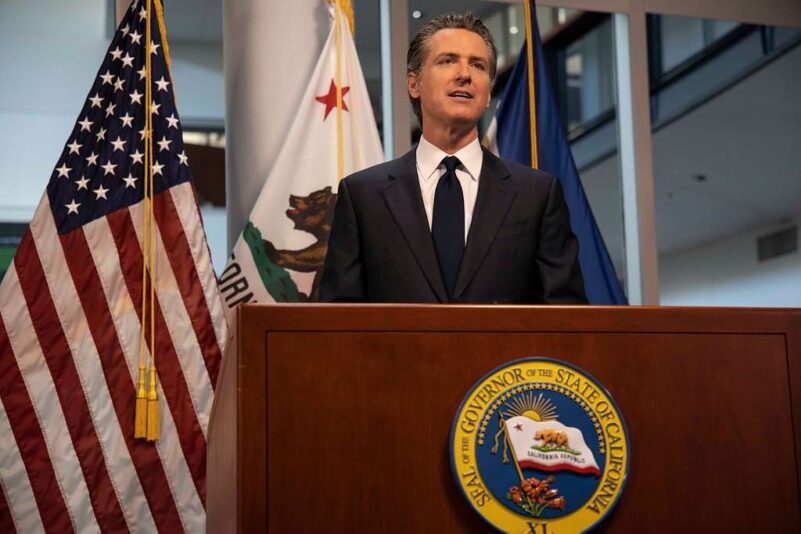 The California Court of Appeal has denied writ petitions filed by Governor Gavin Newsom and the City of Los Angeles, clearing the way for a major lawsuit filed by victims of the Pacific Palisades wildfire to move forward. The decision rejects the state and city’s attempt to dismiss the case at an early stage and denies their request for a stay, allowing the discovery phase to begin.
The lawsuit, brought by residents and property owners affected by the devastating Pacific Palisades fire, alleges that negligence by state and local government agencies significantly worsened the blaze. Plaintiffs claim failures in water supply management, inadequate brush clearance, insufficient fire suppression resources, and broader infrastructure shortcomings contributed to the rapid spread and severity of the fire, resulting in loss of life and extensive property damage.
Governor Newsom and Los Angeles Mayor Karen Bass have publicly attributed the wildfire primarily to extreme wind conditions, climate change, and have at times pointed to policy decisions made at the federal level under President Donald Trump. Both leaders have sought to distance themselves from direct responsibility for the scale of the disaster.
In their legal filings, the state and city had argued for dismissal of the master complaint through demurrers, asserting that the claims should not proceed. The trial court previously refused to uphold those demurrers, and the appellate court has now upheld that decision. Legal experts describe this as a significant development, as it forces the government defendants to engage in the discovery process, which could uncover internal documents, communications, and evidence related to fire preparedness and response.
The justices’ ruling also rejected a request to stay the proceedings, meaning the case will advance without delay. Attorneys for the plaintiffs stated that the state and city have now “played all of their cards and lost,” signaling that the litigation is entering a more intensive phase.
The Pacific Palisades wildfire was one of the most destructive fires in recent California history, destroying hundreds of homes and causing significant economic and personal hardship in an affluent Los Angeles neighborhood. The case has drawn widespread attention as it tests the accountability of elected officials and government agencies for disaster response and prevention measures.
This court decision comes amid ongoing political debates over wildfire management in California, including issues of forest management, water infrastructure, urban planning, and budget priorities. Critics of the current administration have long argued that years of policy decisions have left the state vulnerable to increasingly severe wildfires, while supporters maintain that climate factors and extreme weather events are the primary drivers.
The outcome of the lawsuit remains uncertain, but the advancement to discovery represents a setback for Newsom and Bass in their legal defense. It also raises the possibility of further political consequences as the case unfolds in the months ahead.
Hakeem Jeffries RAGES After Republicans Gain House Seats Total Meltdown in DC
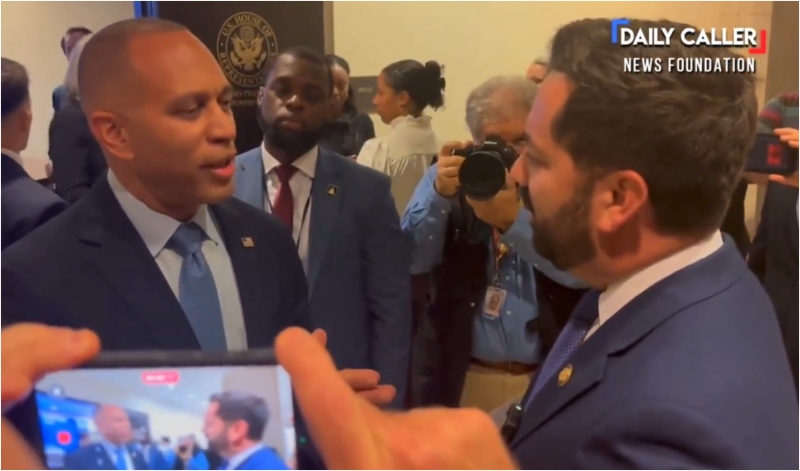 The Virginia Supreme Court issued a ruling on Friday that has significantly altered the state’s congressional redistricting landscape, prompting sharp reactions from both political parties. The decision is widely viewed as a victory for Republicans, effectively preserving or restoring several congressional districts that had been targeted for change under a map advanced by Democratic lawmakers. The ruling appears to invalidate aspects of the Democratic-drawn plan, which critics had argued violated the Virginia Constitution by engaging in partisan gerrymandering aimed at flipping up to four Republican-held seats.
House Minority Leader Hakeem Jeffries (D-N.Y.) responded quickly, expressing frustration and stating that Democrats would “explore other options” in response to the court’s decision. Virginia Attorney General Jay Jones (D) issued a strongly worded statement accusing the court of following a “dangerous trend of tilting power away from the people.” Jones said his office is carefully reviewing the unprecedented order and evaluating every legal pathway forward to defend the will of the people and protect the integrity of Virginia’s elections.
In contrast, former Virginia Governor Glenn Youngkin (R) hailed the ruling as a clear victory for constitutional principles. “Justice has been served,” Youngkin said. “From the beginning, this was the most obvious violation of Virginia’s Constitution. Abigail Spanberger and Democrats in Richmond knowingly violated our constitution to disenfranchise millions of Virginians. The Constitution prevailed, and Virginians will never forget this unlawful attempt to rob them of their voice in Congress.”
The dispute centers on congressional mapmaking following the 2020 census. Prior to the Democratic proposal, Virginia was widely regarded as having one of the fairest congressional maps in the country. Under the challenged plan, roughly 48 percent of the state’s population would have been represented by only 9 percent of its congressional delegation if four Republican seats had flipped, according to critics. Republicans argued the Democratic map was an unconstitutional partisan gerrymander designed to maximize Democratic gains at the expense of competitive or Republican-leaning districts.
The Virginia Supreme Court’s decision has been described by legal observers as a significant affirmation of state constitutional limits on redistricting practices. It comes at a critical time as the 2026 midterm elections approach and could have national implications for House control. Republicans currently hold a narrow majority in the U.S. House, and preserving or expanding seats in Virginia would strengthen their position heading into the next cycle.
The ruling has reignited broader debates over redistricting standards, the role of state courts in policing partisan mapmaking, and the balance between legislative authority and constitutional protections for fair representation. Democrats have framed the decision as undermining democratic processes, while Republicans portray it as a necessary correction that restores fair maps and prevents the dilution of voter voices.
As both sides assess next steps, Democrats have signaled they will pursue additional legal or legislative avenues, while Republicans celebrate what they view as a triumph of the rule of law over partisan maneuvering. The developments in Virginia are being closely watched by strategists in both parties as an early indicator of how redistricting battles may unfold nationwide in the lead-up to 2026.
Ilhan Omar FLEES as Feds Are Closing In As Congresswoman PANICS – Minnesota House Panel Falls Short on Omar Subpoe…
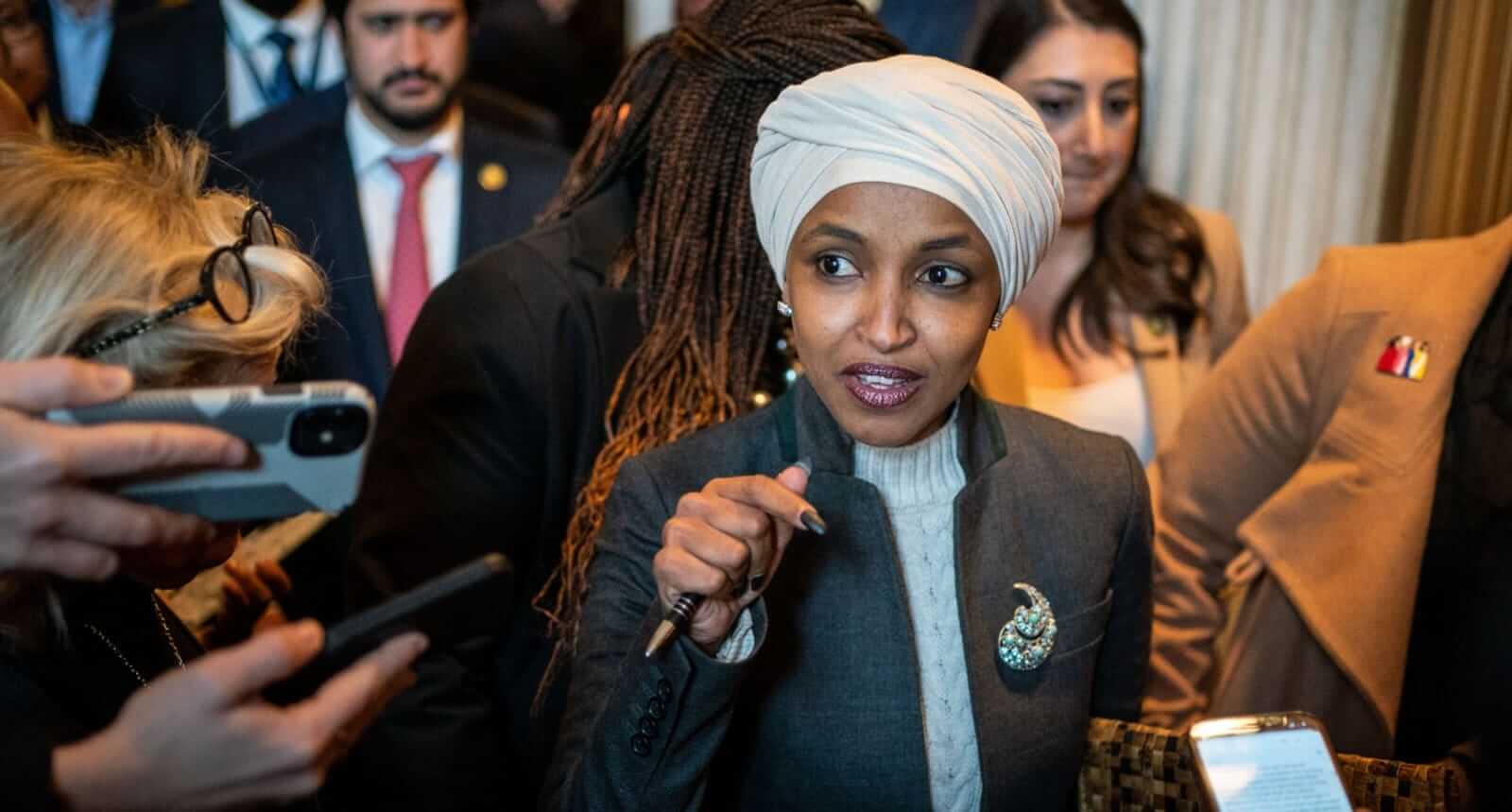 The Director of National Intelligence Tulsi Gabbard has ordered a review of U.S. Agency for International Development contracts and communications following the declassification of an intelligence summary from late 2022. The summary alleges that Ukrainian officials and U.S. personnel discussed using an infrastructure project in Ukraine as a vehicle to divert substantial American taxpayer funds — potentially as much as 90% of allocated amounts — toward the Democratic National Committee to support then-President Joe Biden’s reelection campaign.
According to officials familiar with the matter, the plan reportedly involved creating layers of subcontracting through U.S. companies to obscure the ultimate destination and use of the funds. The intelligence intercepts suggested confidence that the project would initially receive funding, only to later be deemed unnecessary, at which point the money would already be committed and difficult to recover or redirect.
Director Gabbard has directed USAID to examine relevant contracts, payments, and internal records. Officials indicated that if credible evidence is uncovered, the matter could result in a criminal referral to the FBI. The declassified summary does not claim that the alleged scheme was successfully executed, nor has any evidence been publicly presented confirming that funds were actually diverted in this manner.
The intercepts, collected by U.S. intelligence agencies, reportedly did not appear to receive significant follow-up within the government at the time. Officials familiar with the document stated that the information does not appear to stem from Russian disinformation efforts.
The allegations surface at a sensitive moment in U.S.-Ukraine relations, as President Donald Trump’s administration engages in negotiations aimed at ending the war with Russia. Ukraine has long faced international scrutiny over corruption issues, even as it has received billions in American assistance.
Separately, President Trump commented over the weekend on Director Gabbard’s positions, noting that she holds a somewhat softer stance than he does regarding the prevention of Iran acquiring nuclear weapons. Trump stated he maintains confidence in Gabbard despite the policy nuance, saying “she’s a little bit different in her thought process than me, but that doesn’t make somebody not available to serve.”
The development has intensified partisan debate over the oversight and use of foreign aid during the previous administration. Republicans have called for thorough investigations into potential misuse of taxpayer dollars, while Democrats are expected to question the timing and motivations behind the renewed focus on the 2022 intelligence.